
Walking groups
Building on the Perinatal Loneliness Project, Ruth Naughton-Doe and colleagues are exploring how parent and baby/infant walking groups can help reduce loneliness during the perinatal period.
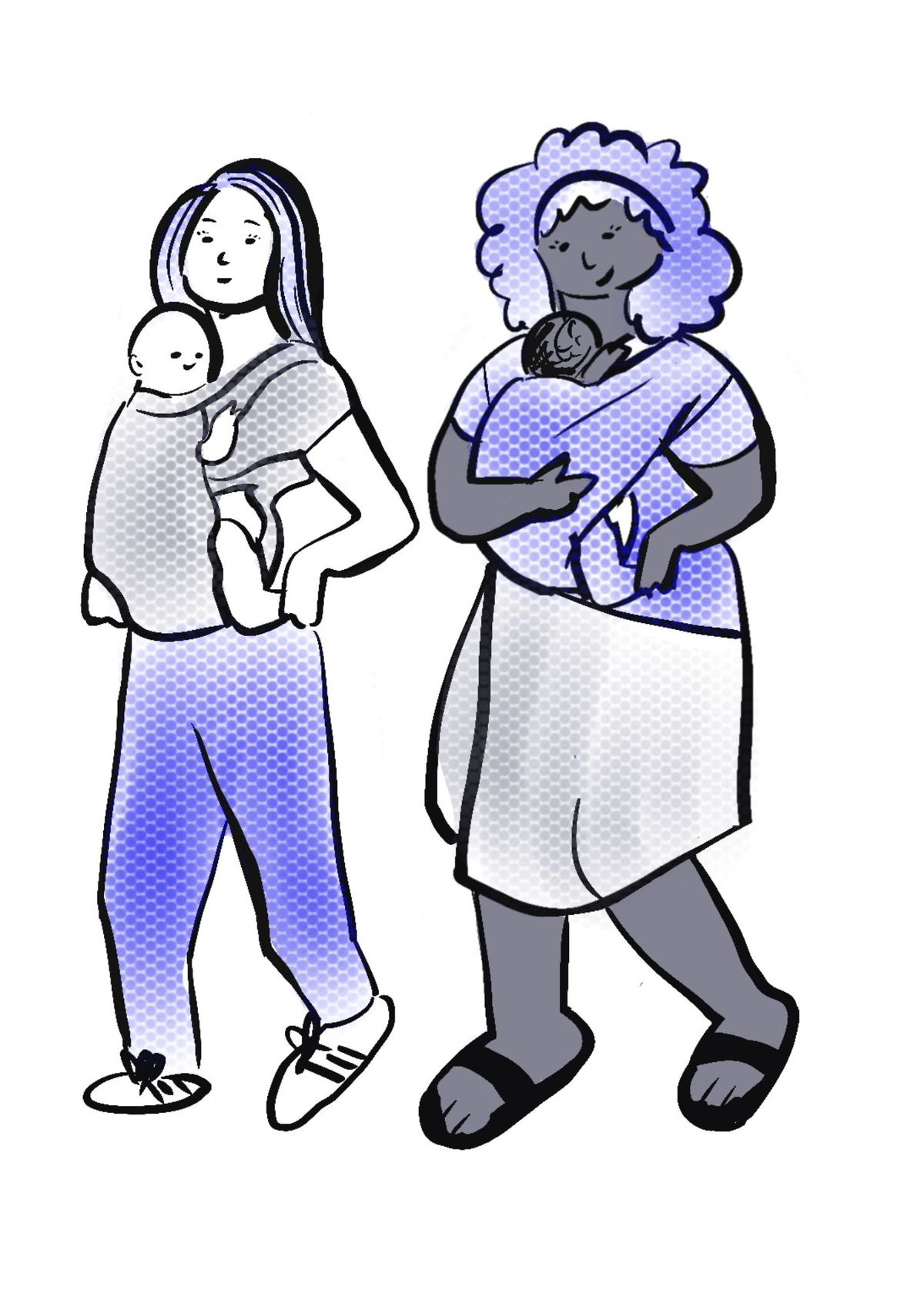
We’re particularly interested in questions like: since most walking group members tend to be white middle-class women, how can we make these groups more accessible and welcoming to diverse communities? How can walking groups be made sustainable over time? And how can we measure the benefits for both parents and their children?
Building on the Perinatal Loneliness Project, Ruth Naughton-Doe and colleagues are exploring the potential of parent and baby/infant walking groups to combat loneliness in the perinatal period.
So far, we have published three reports based off two pilot projects:
- An evaluation of a walking project with Syrian Refugee families – read more here (https://figshare.com/account/articles/24138696)
- An evaluation of a walking project with parents experiencing perinatal mental illness – read more here (https://figshare.com/articles/online_resource/Walking_away_your_worries_an_evaluation_of_the_Wellbeing_Walking_Project_that_aimed_to_improve_perinatal_mental_health_through_a_parent_and_baby_infant_walking_group_in_Sheffield_/24139212)
- Together- A Vision for Partnership to Get More Parents Outdoors (pdf in drive).
We are currently running a project to co-design a perinatal walking group specifically for Muslim mothers, running from April to December 2025. After this, we plan to apply for funding to test the walking group in practice and explore its impact.
Women from religious and ethnic minorities often use these services less, sometimes because the support isn’t accessible or culturally appropriate. Loneliness—feeling isolated or disconnected—even when surrounded by family or friends, can contribute to or worsen perinatal mental illness.
Previous research showed that perinatal walking groups can help reduce loneliness. We know Muslim women are interested in such groups, but we don’t yet understand how to design these groups so they best meet their needs, as Muslim communities have been overlooked in research.
To address this, we will work closely with a Research Advisory Group made up of Muslim women and supporting professionals. We will hire and train Muslim women in Sheffield as Community Research Link Workers to help gather community views. Through focus groups and workshops, we’ll co-create a walking group plan tailored to Muslim mothers. Our findings will be shared widely through academic papers, conferences, and blogs.