

24th October 2025
Presenting evidence about loneliness at Westminster
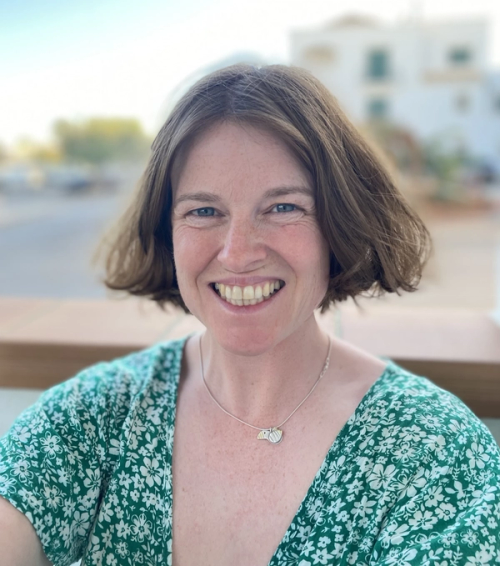
On Monday 15th September, I (Ruth Naughton-Doe) had the honour of attending a Round Table event on perinatal mental health at the Houses of Parliament, convened by Laura Kreye-Smith (MP) and Michelle Welsh (MP). It has been an interesting personal journey to get here – from being a very unwell new mother in 2021 who did not receive timely and appropriate support, to researching how we can prevent loneliness and related perinatal mental illness, to representing the voices of seldom-heard parents, and the people and organisations that support them, at Westminster.
It was incredible to meet and listen to so many fantastic people all working to improve perinatal mental health, and the lives of parents and their children.
What I said:
Today I would like to foreground the importance of prevention-focussed interventions, which may reduce the pressure on specialist care or psychological therapies by increasing access to support.
According to a nationally representative survey, over half of UK parents feel lonely. Midwives and health visitors feel helpless when parents are struggling but don’t meet the clinical threshold for specialist support. We know this contributes to perinatal mental illness.
I could talk about the different experiences of LGBTQ+ parents or fathers, young parents, solo parents or those on low incomes, parents who had adverse childhood experiences, bereaved parents, parents from minority ethnic groups, parents of ill or disabled children or neonatal babies. But actually all parents have something in common.
What parents have told me they want, and need is:
● access to support. Not enough meet the threshold or feel safe accessing specialist services, or feel ready for, or helped by, psychological therapies
● Tailored one-to-one or group support from people who really understand their situation
● Activities that improve their well-being including social, movement, nature-or-arts-based activities.
The good news: the voluntary and charity sectors already provide this. Yet, we know the postcode lottery affects access to services. But even where provision exists, often parents most in need can’t find it. A proven approach to connecting parents to support is perinatal social prescribing. With this in mind,
I recommend support and investment is focussed on three things:
● Screening and early identification of loneliness and perinatal mental illness by midwives and health visitors
● Improved commissioning pathways for voluntary and charitable sector organisations who are already doing this work well, but are often at risk due to a lack of sustainable funding
● Access to perinatal social prescribing or equivalent ways to connect parents to local services
These three key areas will identify and support parents in need, and earlier. This prevention strategy will not only reduce mental ill health, but also the related human and economic costs for both parents and their children.